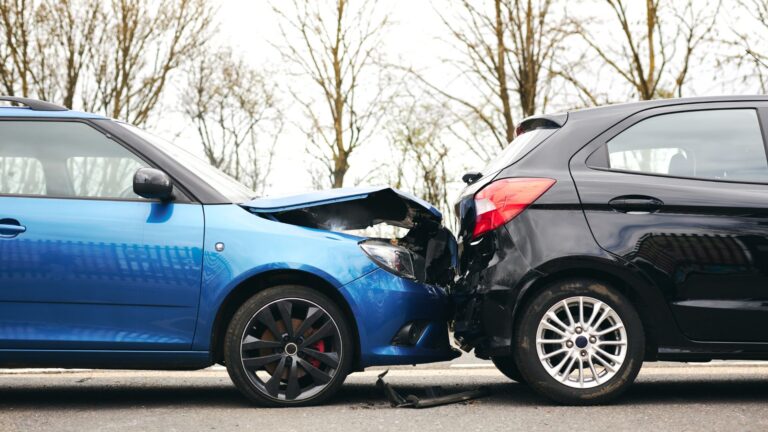
For many Ontario residents, a road trip through California is a bucket-list experience. From the sun-drenched curves of the Pacific Coast Highway (PCH) to the sprawling interchanges of the 405 Freeway, the scenery is as captivating as the driving is intense. However, the excitement of navigating a new landscape comes with a significant risk: distracted driving.
In 2026, with vehicles becoming more technologically integrated than ever, the temptation to look away from the road is at an all-time high. Whether it’s checking a GPS for a turn in Torrance, adjusting a playlist for a drive to Santa Ana, or glancing at the ocean while passing Hermosa Beach, a split-second distraction can lead to a lifetime of consequences.
At Cross Border Justice, we see the aftermath of these moments every day. Through our partnership with the trial-ready team at The Simon Law Group in California, we help Ontario families navigate the legal and medical fallout of distracted driving accidents. But our first preference is always prevention.
Here is our comprehensive guide on how to stay focused, stay safe, and avoid the “distraction trap” while driving in the Golden State.
1. The “LAX to Hotel” Rule: Set Your GPS Before Shifting into Drive
One of the most dangerous times for a visitor is the first hour after picking up a rental car at LAX. You are in an unfamiliar vehicle, navigating one of the busiest airport loops in the world, trying to find your way to a hotel in Manhattan Beach or Redondo Beach.
The Tip: Never attempt to input an address while the car is in motion. Set your destination, choose your preferred route, and adjust the volume of the voice prompts while you are still parked. In 2026, most rental fleets are equipped with Apple CarPlay or Android Auto; ensure your phone is synced before you leave the rental lot.
2. Utilize “Driving Focus” Modes
Modern smartphones are designed to be addictive, but they also have the tools to protect you.
The Tip: Before you cross the border or head out on the I-5, enable the “Driving” or “Do Not Disturb” focus mode. This feature can automatically sense when you are in a moving vehicle and silence incoming texts and notifications. It can even send an automated reply to contacts letting them know you are driving and will get back to them shortly.
3. The “Co-Pilot” Protocol
If you are traveling with family or friends, designate a “Chief Information Officer.”
The Tip: The driver’s only job is to operate the vehicle. The passenger should be responsible for:
- Reading the map.
- Selecting the music or podcasts.
- Responding to urgent text messages.
- Adjusting the climate control.If you are driving solo, these tasks must wait until you are safely parked.
4. Prep Your “Tourist Eyes”
California is beautiful, and it is natural to want to take it all in. However, “rubbernecking” or looking at landmarks like the Santa Monica Pier or the Hollywood Sign while driving is a leading cause of rear-end collisions.
The Tip: If you see something incredible, find a safe place to pull over. California has numerous “scenic overlooks” and rest stops designed specifically for tourists to stop and take photos. Never “snap a quick photo” while behind the wheel.
5. Dine at the “In-N-Out,” Not in the Car
California’s food scene is legendary, but “dashboard dining” is a major distraction. Trying to handle a burger or hot coffee while merging onto the Ventura Freeway in Canoga Park reduces your reaction time and occupies at least one of your hands.
The Tip: Take ten minutes to eat inside the restaurant or at a parked table. It’s safer, and your rental car will stay much cleaner.
6. The “Three-Second” Grooming Rule
We all want to look our best for a night out in Hermosa Beach, but the rearview mirror is for traffic, not for checking your hair or applying makeup.
The Tip: Complete all grooming before you leave your hotel or vacation rental. If you find you need an adjustment, wait until you have reached your destination and are safely parked.
7. Secure Your Cargo (And Your Pets)
A loose bag sliding off a seat or a pet jumping into the front cabin can cause a driver to instinctively reach out, taking their eyes off the road.
The Tip: Use the trunk for shopping bags and luggage. If you are traveling with a pet, use a crash-tested harness or a secure crate in the backseat. A wandering pet is not just a distraction; in a collision, they can become a dangerous projectile.
8. Audio Selection: Set It and Forget It
In the era of endless streaming, it is tempting to skip tracks or browse for a new podcast while driving.
The Tip: Create a “California Road Trip” playlist before you leave Ontario. Start your audio before you pull out of the driveway. If you lose interest in a podcast, resist the urge to scroll. Wait for a red light or a rest stop to make a change.
9. Manage the “Backseat Boardroom”
For Ontario business travelers, the temptation to take a “quick” conference call while driving to a meeting in Torrance is high.
The Tip: Hands-free is the law in California, but even a hands-free conversation can lead to “cognitive distraction.” Your brain is focused on the business problem, not the car that just cut you off. If the call is important enough to require your full attention, it is important enough to pull over.
10. Recognize “Drowsy Driving” as Distracted Driving
A long flight from Toronto followed by the California sun can lead to fatigue. A tired driver has the same slowed reaction time as a distracted driver.
The Tip: If you find your mind wandering or your eyes losing focus, pull over. A 20-minute power nap or a quick walk at a beach-front park can reset your focus and potentially save lives.
The Legal Reality: How Distraction Impacts Your Case
In California, distracted driving isn’t just dangerous; it has significant legal implications for your personal injury claim.
1. Comparative Negligence in California
California follows a Pure Comparative Negligence standard. If you are injured in a crash but it is proven that you were distracted (e.g., you were glancing at your GPS), a jury may find you 10% or 20% at fault. This means your total settlement—which we work so hard to maximize—will be reduced by that same percentage.
2. The Simon Law Group’s Investigative Power
When we refer a case to The Simon Law Group, their “Justice Team” in Torrance and Santa Ana uses 2026 forensic technology to investigate the causes of a crash. They can:
- Subpoena cell phone records to see if a driver was texting at the time of impact.
- Analyze vehicle “Black Box” data to see if there was a delayed braking response, which often indicates distraction.
- Review dashcam and surveillance footage from local South Bay businesses.
While this technology is excellent for proving the other driver was distracted, it is a reminder that the same evidence can be used against you if you aren’t careful.
3. The Ontario Insurance Fallout
If you are charged with distracted driving in California, it can have ripple effects back home. Cross Border Justice helps you navigate how a U.S. traffic citation might impact your Statutory Accident Benefits (SABS) or your standing with your Ontario insurer. We work to ensure that a single moment of distraction doesn’t derail your entire recovery process.
Why the “Cross-Border” Perspective Matters
Most safety guides are written for locals. But as an Ontario resident, you are dealing with double the risk. You are driving on roads you don’t know, under laws you aren’t fully familiar with, in a vehicle that might be different from your own.
Our alliance is built to support you through these specific challenges. While The Simon Law Group provides the local expertise to investigate distracted driving incidents on California soil, Cross Border Justice provides the home-side support in Toronto to ensure your Ontario insurance (including that vital SEF 44 endorsement) remains intact.
Conclusion: Focus is the Best Insurance
No amount of insurance coverage can replace the peace of mind that comes with an accident-free vacation. By following these ten tips, you aren’t just avoiding a ticket—you are protecting your family, your health, and your future.